
Maritime interdiction and interception are critical components of maritime law enforcement, aimed at preventing and responding to criminal activities at sea. These operations involve the detection, tracking, and boarding of vessels suspected of engaging in illegal activities such as piracy, smuggling, drug trafficking, sabotage of critical infrastructure, peacefull protesting and illegal fishing. The primary objective is to ensure the safety of maritime navigation and the enforcement of international and national laws.
The rule of law is enforced through the prevention of criminal activities and through the exercise of effective criminal prosecution. The boarding team plays a key role in ensuring that evidence is properly collected, preserved and presented to the prosecuting authority in accordance with the rules of criminal procedure applicable in the jurisdiction where suspected crimes are to be prosecuted.
Prosecuting crimes committed at sea necessitates the collection of evidence during maritime interdiction operations. This process is inherently complex due to the various legal bases and authorities required for maritime law enforcement. These authorities and agencies often have strict limitations on their jurisdiction, which underscores the importance of correctly executing evidence collection and analysis. Given the exclusive jurisdiction of each authority, it is imperative that evidence is gathered accurately and efficiently.
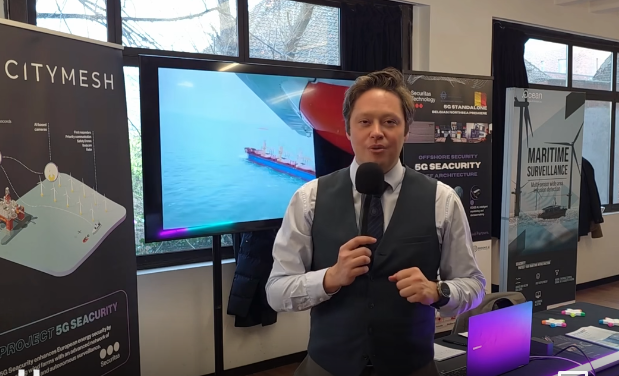
A significant challenge in maritime law enforcement is the need for specialized expertise during boarding operations. Since a boarding team cannot include all necessary subject matter experts, the use of 5G livestreaming from bodycams can enhance the knowledge and support available to the team. By streaming video and audio in real-time, subject matter experts located on patrol vessels or in coastal operation centers can provide immediate guidance and analysis. This capability improves situational awareness for supervising officers and advisory teams, enabling them to interact in real-time with the boarding team on jurisdictional matters.
Another substantial benefit of employing 5G bodycams in maritime operations is the increased effectiveness and speed of conducting inspections. Collecting evidence at sea involves unique operational and legal considerations. Boarding operations should minimize disruption to the commercial activities of the vessel, unless the detention of the vessel is strictly necessary for investigative purposes. Illegal detention by an authority can expose the the law enforcement agents of the boarding teams to claims from the commercial vessel.
For instance, the Protocol of 2005 to the Convention for the Suppression of Unlawful Acts against the Safety of Maritime Navigation stipulates that State parties must take due account of the need not to prejudice the commercial or legal interests of the flag State, avoid undue detention or delay of the ship, and be liable for any damage or loss resulting from unlawful or excessive measures. (8bis (10)(a)(v), (ix), (b)).
Weather conditions also pose significant challenges to evidence collection at sea. Adverse weather can reduce the time available for agents to gather evidence and may necessitate the abandonment of the operation for safety reasons.
Additionally, the dynamic nature of maritime operations, such as conducting boardings underway, can affect the conduct and timeframe of the operation. Evidence collected at sea is more susceptible to loss or alteration compared to land-based operations. Rough seas can wash away materials or evidence, and individuals on board may dispose of incriminating evidence by throwing it overboard.
In conclusion, the collection of evidence during maritime interdiction operations is a multifaceted process that requires careful coordination and the use of advanced technologies like 5G livestreaming to enhance efficiency and accuracy. Within this project and testcase the 5G lifestreaming bodycams can count as measures that are essential for ensuring the integrity of evidence and the successful prosecution of maritime crimes.